Mental Health
The Mental Health program provides accessible and culturally appropriate care in rural communities, training local staff and offering specialized treatment.
The Mental Health program provides accessible and culturally appropriate care in rural communities, training local staff and offering specialized treatment.
Our Impact
Each piece of information represents a story of dignity regained and access achieved. Our work transforms realities by bringing medical care where it previously did not reach, and doing so with humanity.
In the last five years:
-
 8313mental health consultations provided
 -
 3400users attended
 -
 259group interventions
Partners In Health’s Mental Health program provides care to people who have never before accessed these services, offering safe, effective, culturally relevant and evidence-based treatment. We work under a stepped model, training and supervising medical and community staff to diagnose and treat conditions such as depression, anxiety, trauma and psychosis.
We also collaborate with in-person and telemedicine specialists to co-design treatment plans, and ensure access to medications that would otherwise be unattainable.
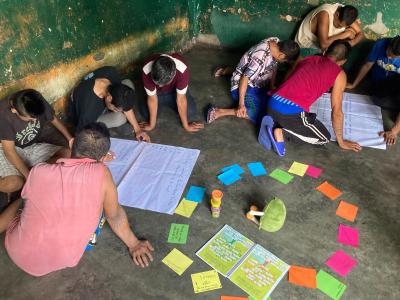
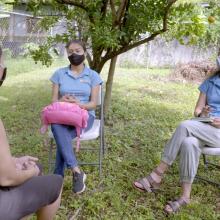
Equipo de salud mental en el anexo con un grupo de hombres
Our activities
- Training and supervision
We train medical staff, nursing and midwifery staff, and we offer on-site supervision to medical interns, strengthening care from rural clinics. - Mental Health Caregivers
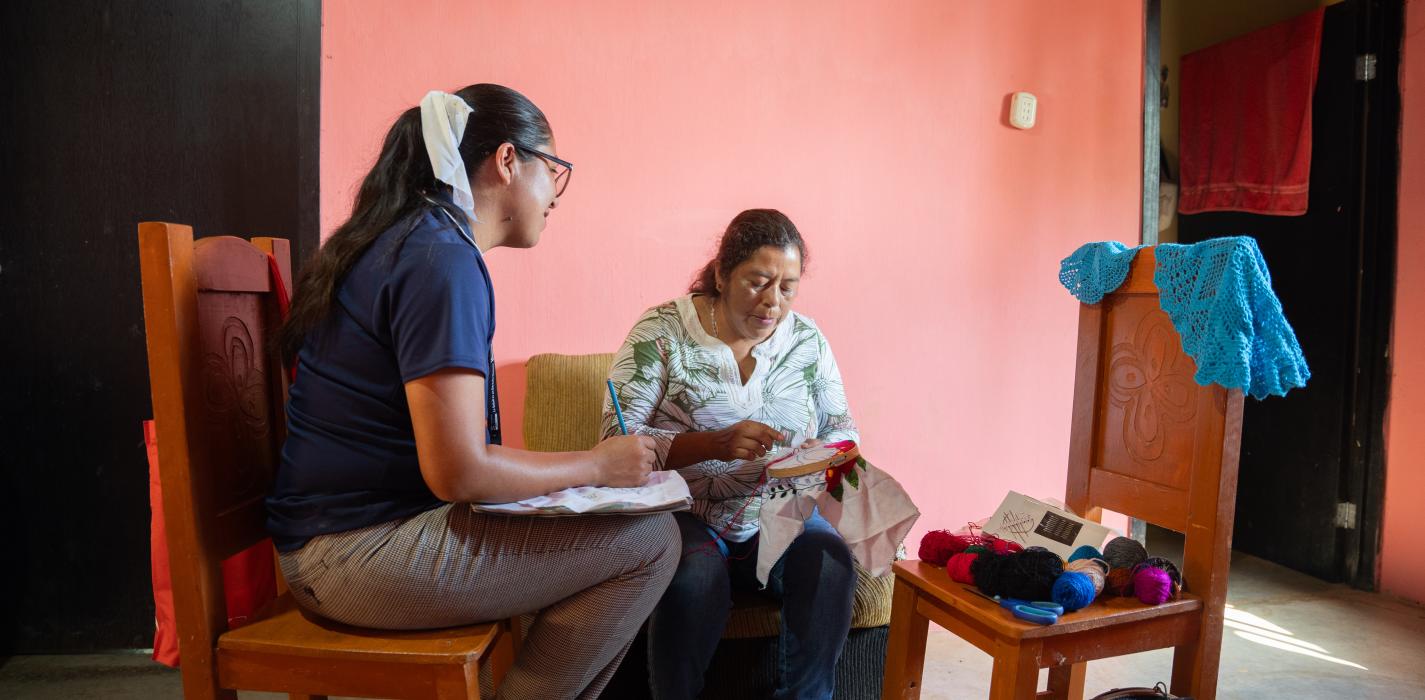
Women from the communities are trained in the EP+ (Enfrentando Problemas Plus) methodology. They conduct home visits to patients with symptoms of depression and anxiety and facilitate psychoeducation groups. - Specialized support
We offer differentiated care for adolescents (including occupational kits in isolation), and tanatology and palliative care services at the Respiratory Disease Center.
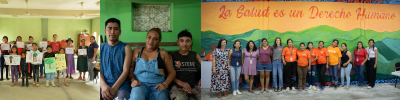
The Mental Health Caregivers program (Cuidadoras de Salud Mental) was a fundamental model that, for over 10 years, helped improve the quality of care in rural communities, reduce wait times, and prevent avoidable complications. Although its implementation ended in mid-2026, we share this historical account with pride, as the foundation that enables us to transition toward our new community-based model at Compañeros En Salud.