
Text by Rebeca Martínez, Independent Midwife, Siltepec Maternity Home Clinical Care / Alejandra López LEO, Siltepec Maternity Home Clinical Care
When a woman begins to show signs of septic shock following an abortion, it is essential to seek care and receive timely clinical management as soon as possible.
Within the first 48 hours, the person may begin to show signs of fever, chills, severe pain, bleeding, and foul-smelling vaginal discharge. Within a few days, the infection can spread throughout the body via the bloodstream, which can be life-threatening for women.
As of week 33 of 2026, there have been 36 documented maternal deaths in the state of Chiapas due to complications related to pregnancy, childbirth, the postpartum period, or abortion.
Chiapas and the State of Mexico account for the highest number of maternal deaths, and, nationwide, abortion is the third leading cause of these deaths.
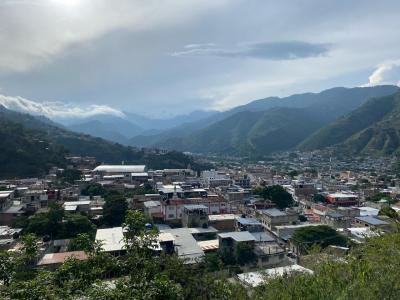
Motozintla, Chiapas
When we talk about abortion in contexts like those in which we work, it doesn’t just mean talking about just another clinical procedure. It also means understanding the social and geographical barriers that can cause a person to delay seeking medical care and, as a result, receive timely health care.
Time is a critical factor in these situations, but it is essential to recognize that time does not pass the same way for all patients. Their context, location, and the barriers each faces can shorten or lengthen the time it takes to receive care.
The emergency does not begin when a woman arrives at the health facility. It begins even earlier: when she decides how and when to travel, when she needs to secure the resources to do so, when she must rely on support and be able to take a day off from work or caregiving responsibilities at home to receive care, and, in many cases, find someone to accompany her.
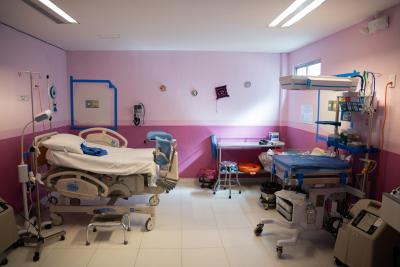
Casa Materna, Siltepec
That is why the “three delays” model exists—a widely used analytical framework in public health that helps us understand why an obstetric complication can result in death.
This model helps us recognize that people do not die solely because of the complication itself, but also due to other factors that, collectively, can prevent them from receiving timely assessment and care.
The first delay occurs when there is a delay in recognizing the urgency of the situation and in deciding to seek care. The time that elapses from the appearance of the first warning signs until the person decides to seek help speaks not only to time frames but also to the structural barriers that can prevent timely care.
Among these barriers are financial difficulties, a lack of awareness of warning signs, and even previous negative experiences with health services—as well as the fear that may prevent someone from approaching a health facility with confidence to address an emergency.
The second delay occurs when, after the decision to seek care has been made, there are obstacles to reaching a health facility. At the Siltepec Maternity Center, some patients may take approximately 90 to 120 minutes to travel to an appointment. This may be due to a lack of personal or public transportation, a lack of financial resources to travel, as well as roads that are difficult to access or lack adequate safety conditions for travel.
The third delay relates to achieving optimal quality in medical care. This requires healthcare personnel with the clinical skills necessary to respond appropriately to an emergency, as well as to provide individualized care—free from judgment, stigma, and revictimization—that prioritizes each woman’s needs and takes into account her context and history.
Added to this is the limited availability of the resources, equipment, and supplies needed to respond to the emergency, which can complicate its management and, in some cases, necessitate transfer to another healthcare facility.

Siltepec, Chiapas
Territory represents not only a geographic space but also a place that can determine people’s ability to access health care.
Although not everyone in the Sierra Madre of Chiapas faces the same barriers, it is important to recognize and discuss the centralization that exists regarding specialized medical care. Second- and third-level hospitals with greater capacity to handle emergencies are typically located in cities or urban areas, which puts women living in remote and marginalized areas at a disadvantage.
This reality is clearly illustrated by the experience of a 20-year-old woman from a community located 40 minutes from Casa Materna Siltepec, who came for counseling and to have a contraceptive method inserted.
During her evaluation, it was determined that she had undergone a miscarriage. Many women and people experience an unintended miscarriage of an unrecognized pregnancy, and upon receiving this news, it is normal and expected that it will be shocking and generate doubts and fears. This was her case.
Due to fears and stigma surrounding abortion, her care was delayed, and it wasn’t until nine days later that she returned with a different diagnosis: a septic abortion. During her care, various interventions were performed to safeguard her health, and after she was stabilized, she was transferred to a tertiary-care facility that could provide the care she needed at that time.
The work we do at Compañeros en Salud seeks to raise awareness of and break down
the barriers to health care that exist in highly vulnerable contexts in
the Sierra Madre and Frailesca regions of Chiapas.
Although this was a success story despite the circumstances, unfortunately, not all women in vulnerable situations will have the same outcome. And while the outcome was positive, we continue to arrive too late to provide care, because the emergency does not begin only when a woman arrives at the health center. It begins in school, where there is a lack of comprehensive sex education; in communities, where taboos surrounding abortion perpetuate the stigma attached to this process and to the women who undergo it, whether by choice or not.
And although the barriers are many, this motivates us to continue working for reproductive justice as a basic right accessible to all women in the Chiapas Highlands.
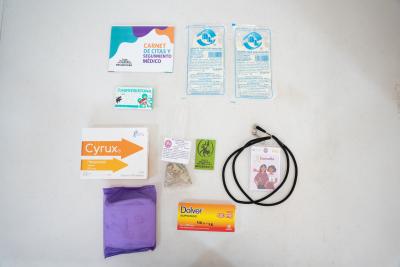
Kit de Aborto Autogestivo y Seguro
In observance of September 28, the International Day of Mobilization for Safe, Legal, Decriminalized, Free, Unrestricted, and Informed Abortion, we remind everyone that comprehensive abortion care is an essential part of the work that midwives and obstetric nurses carry out both within and outside of communities and health systems.
Access to abortion care that is dignified, free, safe, free from stigma, and free from criminalization is another step toward social and reproductive justice.
We invite you to continue supporting the various projects of Compañeros En Salud